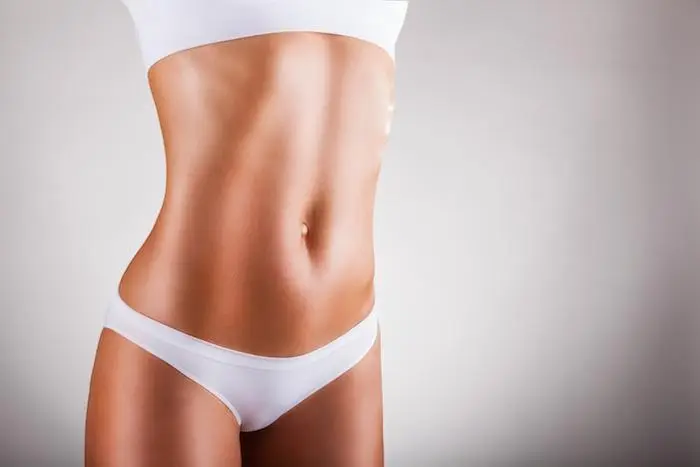
The short version: fat freezing works best for people with a stable weight, a body mass index of 30 or less and a soft, pinchable bulge that has resisted diet and exercise. It reduces the fat layer in the treated area by an average of roughly 10 to 28 percent depending on how it is measured, it is not a weight loss treatment, and it carries a small but real risk of the treated area growing larger. Whether you are a good candidate turns on your weight history, the type of fat, your skin and your medical history.
Who is a good candidate for fat freezing?
The strongest candidate for cryolipolysis, the technology behind CoolSculpting, is someone close to a stable weight who has a discrete, pinchable bulge that diet and exercise have not shifted. The device was cleared by the FDA for people with a body mass index of 30 or less when treating the body, and published reviews describe the ideal patient in nearly the same terms: near ideal weight, active, eating reasonably well, and bothered by a specific area such as the flanks, the lower abdomen, the inner or outer thighs, the upper arms, or the fat beneath the chin.
Three practical features usually separate a good candidate from a disappointed one. The first is that the fat can be gripped, because the applicator draws a fold of tissue into a cooling cup, and a bulge made mostly of firm, deep abdominal fat does not fit. The second is skin that still has reasonable elasticity, since fat reduction without tightening can make mild looseness more noticeable. The third is expectations pitched at contour rather than weight: this is a way to refine a shape, and the published results are measured in a modest percentage of the fat layer in the treated area.
What fat freezing does, and what it does not do
Cryolipolysis uses controlled cooling to injure fat cells, which the body then clears over the following weeks. The FDA describes fat freezing as intended to reduce visible fat bulges without surgery, and it is explicit that non-invasive contouring does not result in weight loss and does not treat obesity or improve health. The manufacturer says the same in its consumer safety information, adding that the procedure does not replace diet, exercise or surgical liposuction.
It also cannot reach visceral fat, the deeper fat packed around the organs that accounts for much of a firm, protruding abdomen. A published review of the technique notes that cryolipolysis does not affect intra-abdominal fat, so when the abdomen is large mainly because of visceral fat, weight loss is what changes it.
A useful test to apply before you book a consultation
If you can pinch a soft fold of fat between your fingers in the area that bothers you, and your weight has been steady for several months, you are describing the situation this treatment was designed for. If the area feels firm and tight, or your weight is still changing, the answer is more likely a different approach.
How much fat does it remove, and how soon?
A 2015 systematic review of the clinical literature in Plastic and Reconstructive Surgery found fat-layer reductions that varied with how they were measured: roughly 14.7 to 28.5 percent by caliper and 10.3 to 25.5 percent by ultrasound after a treatment, with most follow-up lasting two to six months and no meaningful effect on blood lipids or liver tests. An earlier clinical review describes up to 25 percent reduction after one session and visible change by two to three months. These are averages across treated patients, and they describe the thickness of the treated fat layer, not the person’s total body fat.
The timeline matters considerably for expectations, because the manufacturer says changes may start around four weeks, the most dramatic results appear between one and three months, and final results can take up to six months. Because inflammation and swelling make the area look unchanged at first, judging the result at three weeks is a common mistake.
Whether the loss is permanent deserves precision, because the treated fat cells are eliminated and a review found no evidence that the lost fat regenerates, but the fat cells that remain are still able to enlarge, so a significant weight gain after treatment can bring volume back in the treated area and elsewhere. The honest description is durable rather than assured, and it depends on your weight remaining stable.
| Your situation | How it usually fits with fat freezing |
|---|---|
| A stable weight, a body mass index of 30 or less, and a soft bulge that can be pinched | Usually a good fit, because this matches the group the device was cleared for and the group the published studies describe. |
| A weight that is still changing, or a primary goal of losing a large amount of weight | Usually a poor fit, because the treatment does not reduce body weight and results can be lost if weight returns. |
| A firm, protruding abdomen that is composed mostly of deep, visceral fat | Usually a poor fit, because cooling does not reach fat inside the abdominal cavity. |
| Noticeable looseness of the skin in the area that bothers you | Often a limited fit, because removing fat can emphasize looseness and the device does not tighten skin. |
| A medical condition in which blood or tissue reacts abnormally to cold | Not appropriate in the conditions listed in the safety information, and a physician needs to review the history first. |
Who should not have fat freezing
The manufacturer’s safety information says people with cryoglobulinemia, paroxysmal cold hemoglobinuria or cold agglutinin disease should not be treated, because these conditions cause blood or blood proteins to react badly to cold. It also advises against treatment for anyone seeking it as a treatment for obesity. The FDA adds that cooling should not be performed in or near an existing hernia.
A second group calls for caution and physician judgment rather than an automatic no: cold urticaria, Raynaud’s disease, chilblains, impaired circulation or sensation in the area, nerve conditions such as diabetic neuropathy, bleeding disorders or blood thinners, recent surgery or scarring at the site, an implanted pacemaker or defibrillator, and open wounds. Pregnancy and breastfeeding are listed as not studied, which is not the same as a documented danger, but most practices simply wait.
What are the risks of fat freezing?
The common effects are short-lived: redness, swelling, bruising, a tugging or aching sensation during the cycle, and numbness that can last up to several weeks. A small number of people develop a delayed, intense pain several days after treatment that the manufacturer reports in roughly 1 in 6,000 treatments and that typically settles within weeks.
The risk that deserves the most attention is paradoxical adipose hyperplasia, in which the treated area grows firmer and larger, usually between two and five months afterward. The FDA names it as a serious risk and says it does not go away on its own and may require surgery to correct. How often it happens is genuinely uncertain, and the estimates differ by an order of magnitude depending on who counted:
| Where the estimate comes from | Reported frequency | What to keep in mind when reading it |
|---|---|---|
| The manufacturer’s own consumer safety information | Approximately 1 in 3,000 treatments, which the company reports as 0.033 percent | This is the company’s own current disclosure, and it is the figure that appears in the consent paperwork. |
| A 2020 review of patient selection that was funded by the manufacturer | Approximately 1 in 4,000 treatment cycles | The authors listed male sex and Hispanic or Latino ethnicity among reported risk factors and advised monitoring for six months. |
| A 2020 study across eight Canadian treatment centers | 0.15 percent of treatment cycles (13 of 8,658) and 0.43 percent of individual patients | Older machines had higher rates than newer ones, and a diagnosis took more than a year on average. |
| A 2025 meta-analysis that pooled 28 published studies | 0.22 percent pooled, or roughly 1 in 455, across 13,078 patients | The certainty of the evidence was rated low, and the authors found no definitive risk factors. |
The practical reading is that the risk is small but real, that it is probably higher than the earliest 2014 estimate of about 1 in 20,000 suggested, and that a good consultation states a range instead of a single comforting number.
What about muscle toning?
Muscle-stimulation treatments use electrical or electromagnetic pulses to make muscles contract repeatedly, and the FDA lists muscle stimulators among body-contouring devices, with the caution that effects may be temporary and may need ongoing sessions. The published evidence is considerably thinner than it is for fat freezing, and one small uncontrolled pilot of a related electromagnetic device, with 22 patients, reported thicker abdominal muscle and thinner fat at two months without any significant change in weight, but the authors themselves called the findings hypothesis-generating, only four patients had six-month data, and the lead author disclosed a relationship with the manufacturer. Muscle toning is therefore best understood as a conditioning aid for someone who already trains, not as a substitute for exercise, and it is unsuitable for anyone with a pacemaker or defibrillator. Ask which device is used and what its FDA-cleared indication is before paying for a package.
When a different path makes more sense
If your weight is above the range the device was cleared for, or your main goal is a lower number on the scale, body contouring is the wrong first step. The National Heart, Lung, and Blood Institute treats lifestyle change as the foundation of obesity care and notes that a 5 to 10 percent weight loss can significantly improve health, with medication and surgery as options at higher risk levels. Contouring can come afterward, once weight has stabilized. Our medical weight loss program is built for the first situation, and the cryo body sculpting page describes the contouring service itself.
What a body sculpting consultation should cover
A thorough consultation at Modern Aesthetica with Daniel Moghadam, MD, and the team starts with your medical history, because the cold-related conditions above change the answer. It then covers an examination of the area, including a pinch test and an assessment of skin quality, a conversation about your weight history and goals, and a realistic estimate of how many areas and sessions it would take to see a change you would notice. It should also include the risks in plain terms, including paradoxical adipose hyperplasia and the range of reported frequencies, and a clear statement of what you would do if the area did not respond. You can read about our body sculpting services or book a consultation at our Beverly Hills office.
When to call the office after treatment
Call if you develop severe pain, especially pain that begins several days after treatment, if the area becomes red, warm or blistered, if skin color changes or sores appear, or if the treated area begins to grow firmer and more prominent over the following months rather than smaller. Early evaluation matters because paradoxical hyperplasia does not resolve by itself.
Common questions
Is CoolSculpting a weight loss treatment?
No, because the FDA states that non-invasive body contouring does not result in weight loss and does not treat obesity, and the manufacturer says the same in its consumer information. It reduces the thickness of the fat layer in a treated area, so your scale weight may barely change even when your clothing fits quite differently.
What BMI do you need for CoolSculpting?
The FDA clearance describes treatment of body areas for people with a body mass index of 30 or less, and candidates above that range are generally better served by medical weight management first, with contouring considered afterward once their weight has stabilized.
Will the fat come back after fat freezing?
The treated fat cells are eliminated and a clinical review found no evidence that they regenerate, but the remaining fat cells can still enlarge if you gain a significant amount of weight, so volume can return in treated and untreated areas alike.
How long does it take to see results from fat freezing?
Changes may start around four weeks, the most noticeable change usually appears between one and three months, and the full result can take up to six months. Swelling early on can hide progress, so judging the outcome at a few weeks is premature.
Can men have CoolSculpting?
Yes, men are commonly treated for areas such as the flanks and abdomen, although one 2020 review funded by the manufacturer listed male sex among the reported risk factors for paradoxical adipose hyperplasia, while a 2025 meta-analysis found no definitive risk factors, which makes it an appropriate question to raise at your consultation.
Can I have fat freezing if I just had a baby or am pregnant?
Pregnancy and breastfeeding are listed in the manufacturer information as not studied, so treatment is generally deferred. After delivery, many practices also prefer to wait until your weight and abdominal tissue have settled, which is a conversation for your consultation.
Does fat freezing tighten loose skin?
No, because it reduces fat rather than tightening skin. Mild laxity may be acceptable to some patients, whereas substantial looseness is usually better addressed with a separate skin-tightening approach, since removing the fat beneath loose skin can make the looseness more noticeable rather than less.
Sources
- FDA 510(k) K193566: clearance letter and indications for the CoolSculpting contact cooling system (January 2020)
- FDA: Non-Invasive Body Contouring Technologies
- CoolSculpting Important Safety Information for Consumers (Allergan Aesthetics)
- Ingargiola MJ and colleagues Cryolipolysis for fat reduction and body contouring: safety and efficacy of current treatment paradigms; Plast Reconstr Surg 2015;135(6):1581
- Krueger N and colleagues Cryolipolysis for noninvasive body contouring: clinical efficacy and patient satisfaction; Clin Cosmet Investig Dermatol 2014;7:201
- Few J and colleagues Cryolipolysis: patient selection and treatment planning; Aesthet Surg J Open Forum 2020
- Nikolis A, Enright KM; Paradoxical adipose hyperplasia after cryolipolysis: a multicenter Canadian study; Aesthet Surg J 2020
- Mah and colleagues; Pooled incidence of paradoxical adipose hyperplasia after cryolipolysis: a meta-analysis; Aesthet Surg J Open Forum 2025
- Kinney BM, Lozanova P; High intensity focused electromagnetic therapy evaluated by magnetic resonance imaging; Lasers Surg Med 2019;51:40
- National Heart, Lung, and Blood Institute: Overweight and obesity treatment
Reviewed by Daniel Moghadam, M.D., founder and medical director of Modern Aesthetica. Last reviewed November 2026. This article is educational and is not a substitute for a consultation; what is appropriate for you depends on your history, your examination and your goals.
Modern Aesthetica
8907 Wilshire Blvd, Suite 270, Beverly Hills, CA 90211
Phone: (213) 895-4730
Hours: Mon–Thu 10:00am–5:00pm · Fri 9:00am–5:00pm · Sat & Sun closed
Serving Beverly Hills, West Hollywood, Santa Monica, Brentwood, Hollywood and greater Los Angeles.